

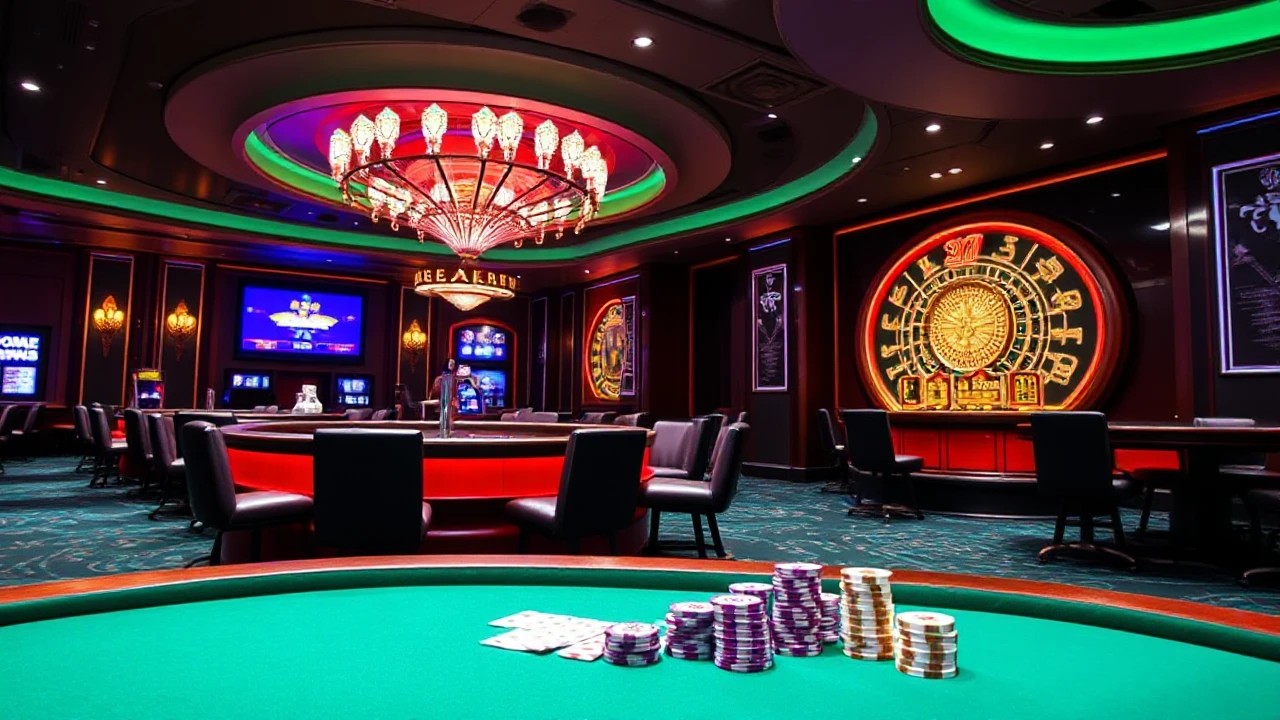
When it comes to gaming houses, the layout is not just about aesthetics; it plays a pivotal role in shaping the complete betting experience. Uncovering the psychology behind bedste online casino uden dansk licens design can unveil why players behave the way they do in these captivating environments.
The Psychology of Casino Design
Casino designers thoroughly design every aspect of the venue to develop a certain atmosphere. From the colour schemes to the positioning of lights, every element is purposefully chosen to evoke particular emotions and behaviors from visitors.
Key Elements of Casino Design
- Color Psychology: Colors like red and yellow are often used to excite vitality and generate a sense of immediacy.
- Lighting Effects: Soft lighting can establish a calming atmosphere, while bright lights near gaming areas boost thrill levels.
- Layout Strategies: Labyrinthine layouts are frequently used to encourage discovery and keep players engaged.
{In the realm of casinos, design is not just about aesthetics; it's a strategic tool used to influence gambler behavior and maximize profits.
The Impact of Layout on Player Behavior
The strategically planned layout of casinos can have a profound impact on how gamblers act within the space. From the moment they step in, each detail is tailored to improve the betting experience and keep people involved.
Creating an Engaging Setting
Casino designers aim to establish an engrossing atmosphere that grabs players' attention from the instant they walk in. Through strategic positioning of games and facilities, they guarantee that visitors are continuously stimulated and amused.
Promoting Prolonged Visit and Heightened Wagering
By crafting layouts that are compelling and simple to explore, gaming houses encourage gamblers to stay longer and wager more. Features like complimentary drinks and comfortable seating further boost the entire visit.
Conclusion: Creating Unforgettable Experiences through Creative Design
To sum up, the impact of casino design on player behavior is unquestionable. Through understanding the psychological factors behind successful design, operators can establish environments that not only draw in visitors but also retain them involved and amused for longer periods.